Table of Contents
- Is Private Minor Surgery Safe for Elderly Patients?
- Local Anaesthetic Risks for Older Patients
- Minor Surgery Recovery Time for Elderly
- CQC Registered Minor Surgery Clinics
Last Updated: August 25, 2026
Is Private Minor Surgery Safe for Elderly Patients?
Private minor surgery under local anaesthetic is generally safe for older patients when performed by GMC-registered doctors in properly regulated clinics. Age alone is not a barrier, what matters is overall health status and how well existing conditions are managed. Safety depends on procedure complexity, anaesthetic type, comorbidities, and current medications. A benign skin lesion removal or small cyst excision under local anaesthetic carries minimal risk for most elderly patients. (Source: Care Quality Commission (CQC) registration)

Private minor surgery is safe for elderly patients when performed by qualified doctors in regulated clinics with proper pre-operative assessment and appropriate anaesthetic selection.
Local Anaesthetic Risks for Older Patients
Local anaesthetic carries lower risk than general anaesthetic, making it the preferred choice for minor procedures in older adults (peer-reviewed research). Elderly patients metabolise medications differently, affecting how local anaesthetics behave. The risk of adverse reactions increases slightly with age, particularly in patients taking multiple medications or those with cardiovascular conditions.
Pre-operative assessment must identify patients taking anticoagulants or antiplatelet drugs, as these affect bleeding risk. Doctors should also screen for anaesthetic allergies, though true allergies to modern local anaesthetics are rare. Patients with uncontrolled high blood pressure or significant heart conditions may need additional monitoring.
Patients on anticoagulants or blood thinners must inform their doctor before [minor surgery](/private-minor-surgery-clinic-coventry/). Stopping these medications without medical guidance is dangerous; the doctor will advise whether to continue, pause, or adjust dosing around the procedure.
Minor Surgery Recovery Time for Elderly
Recovery from minor surgery under local anaesthetic is typically rapid. Most elderly patients can return to light activities within a few days. For simple procedures like mole removal or small cyst excision, patients often feel ready to resume normal activities within 3-7 days, though complete wound healing takes 1-2 weeks. (Source: General Medical Council (GMC) register)
Post-operative pain is generally mild and managed with over-the-counter paracetamol or ibuprofen. Swelling and bruising are common in the first 48 hours but resolve within 1-2 weeks. Elderly patients living alone should arrange help for the first few days after surgery, particularly if the procedure affects the hands, feet, or legs.
CQC Registered Minor Surgery Clinics
The Care Quality Commission (CQC) regulates private clinics in the UK, including those providing minor surgical procedures. CQC registration ensures the clinic meets safety standards, maintains proper infection control, and employs qualified staff. These clinics undergo regular inspections, maintain detailed records, and have procedures for managing complications.
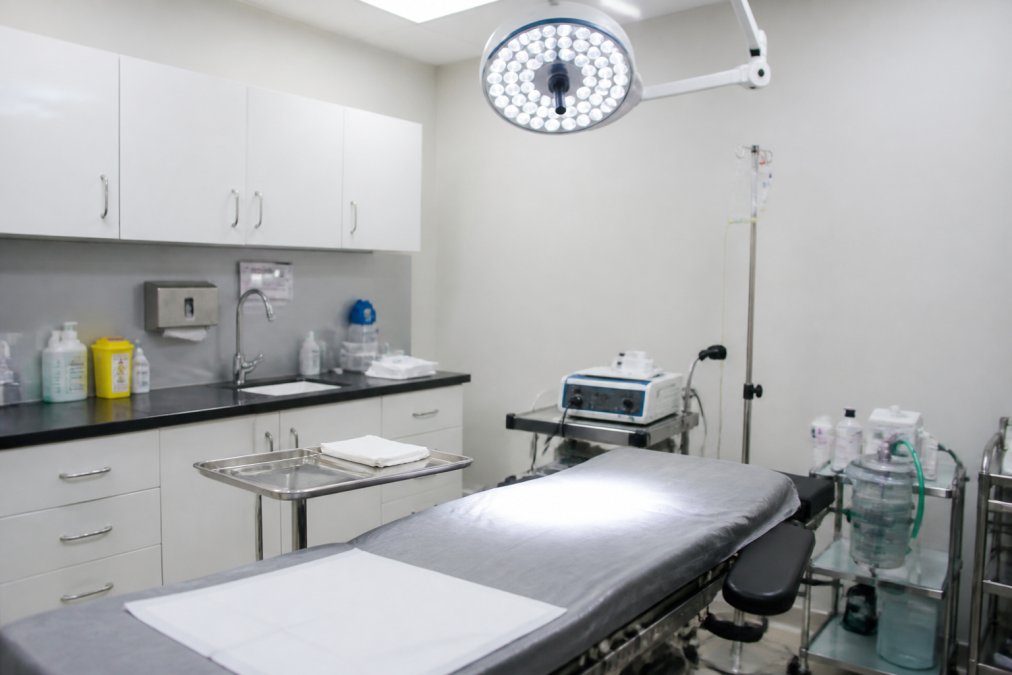
MMS Clinic, a doctor-led private clinic in Coventry, performs minor surgery under local anaesthetic with GMC-registered GPs. The clinic specialises in removing lumps, bumps, sebaceous cysts, lipomas, ganglion cysts, moles, skin tags, warts, and ingrown toenails. Patients benefit from rapid access without NHS waiting lists and face-to-face appointments at the Coventry clinic or online consultations across England.
When evaluating any private clinic, verify the doctor’s GMC registration through the GMC register, check the clinic’s CQC rating, and ask about infection control measures and emergency protocols.
Private minor surgery is a safe, effective option for elderly patients when delivered by qualified doctors in properly regulated clinics. Pre-operative assessment, appropriate anaesthetic selection, and clear aftercare instructions are essential. If you’re considering minor surgery, a consultation with a GMC-registered doctor can address your specific health concerns. Get started with MMS Clinic’s free discovery call to explore your options with an experienced practitioner.
Frequently Asked Questions
Is it safe for an 80-year-old to undergo minor surgery under local anaesthetic?
Yes, private minor surgery under local anaesthetic is generally safe for older adults when performed by GMC-registered doctors in CQC regulated clinics. Local anaesthetic carries lower risk than general anaesthetic because it avoids systemic effects on the heart and lungs. Pre-operative assessment identifies comorbidities and ensures the patient is medically suitable. The procedure itself is minimally invasive, and day-case surgery means rapid recovery without overnight hospital stay.
What are the main local anaesthetic risks for older patients?
Local anaesthetic risks for older patients include allergic reactions (rare), temporary numbness extending beyond the surgical site, and in rare cases, systemic toxicity if absorbed too quickly. Older adults with certain comorbidities such as heart disease or liver conditions require careful dosing. A qualified surgeon assesses your medical history before administering local anaesthetic and adjusts the approach accordingly. Infection control and sterile technique further minimise complications in regulated clinics.
How long does minor surgery recovery take for elderly patients?
Minor surgery recovery time for elderly patients typically ranges from 1-2 weeks for wound healing, depending on the procedure and the individual's overall health. Most patients resume light activities within a few days. Post-operative care instructions, including wound dressing and infection control measures, are essential. Older adults with comorbidities may experience slightly longer recovery, but day-case surgery and local anaesthetic mean you go home the same day without prolonged hospital stay.
This article was written using GrandRanker