Table of Contents
- What Is a Sebaceous Cyst and Why Remove It?
- Private Sebaceous Cyst Removal Cost UK: What You’ll Actually Pay
- NHS Cyst Removal Waiting Times vs Private Treatment Speed
- Is Private Cyst Removal Worth the Cost? A Practical Comparison
- Cyst Removal Recovery Time and Aftercare
- Scarring, Recurrence, and Long-Term Outcomes
- Private vs NHS: The Full Patient Journey
- Conclusion
Last Updated: August 6, 2026
What Is a Sebaceous Cyst and Why Remove It?
A sebaceous cyst is a benign, slow-growing lump beneath the skin filled with keratin, a protein naturally produced by skin cells. Most form on the face, neck, trunk, or scalp and are completely harmless, though they can become inflamed or infected if ruptured or repeatedly irritated.
The decision to remove one isn’t medical necessity for most people, it’s personal. Some cysts cause no problems and never need attention. Others become bothersome because they’re visible, catch on clothing, or develop inflammation. A few patients worry about recurrence or want them gone for peace of mind. Understanding what you’re dealing with matters before you decide whether private removal is worth the cost.
Many people confuse sebaceous cysts with other benign skin lumps. A lipoma is similar but contains fat rather than keratin and typically feels softer. A milia is much smaller, usually white, and clusters on the face. A seborrhoeic wart is a common growth that looks waxy or scaly. Getting a proper clinical diagnosis from a qualified professional is the first step, it confirms what you’re dealing with and whether removal is advisable.
If you’re unsure whether your lump is a sebaceous cyst, a [quick consultation with a GP](/private-gp-consultation-fees-uk-2026-cost-guide/) can confirm the diagnosis. Most cysts don’t require urgent intervention, so you have time to weigh your options carefully.
Private Sebaceous Cyst Removal Cost UK: What You’ll Actually Pay
The cost of private cyst removal in the UK varies significantly depending on the clinic, the cyst’s size and location, and the complexity of removal. Rather than guessing at figures, it’s worth understanding what drives pricing.
Most private clinics charge a consultation fee separately from treatment costs. Some offer fixed pricing for straightforward removals; others provide personalised quotes based on what they find during assessment. A simple, small cyst on an accessible area typically costs less than a larger cyst in a sensitive location or one requiring more careful closure for cosmetic reasons.
According to Spire Healthcare’s published pricing, private cyst removal consultations start from around £202, with treatment prices from £2,640. Other established providers like Nuffield Health’s service offerings emphasise transparent, all-inclusive pricing but require direct enquiry for exact figures. The Online GP by The Wellness advertises fixed pricing starting from £495 for straightforward sebaceous cyst removal, with larger or more complex cases costing more.
The wide range reflects real differences in what you’re paying for: consultant expertise, facility standards, aftercare support, and the quality of closure technique (which affects scarring outcomes). A cheaper removal might mean a less experienced practitioner or simpler closure; a more expensive one might include superior suturing, histology analysis of the removed tissue, or extended aftercare appointments.
Be cautious of unusually low prices. Cyst removal performed in non-clinical settings or by practitioners without proper qualifications carries real risks of infection, poor scarring, and recurrence. The cheapest option isn’t always the best value.
NHS Cyst Removal Waiting Times vs Private Treatment Speed
The NHS will remove a sebaceous cyst if it’s causing problems, infection, inflammation, or functional impairment, but not for cosmetic reasons alone. That’s the key distinction. If your cyst is simply a cosmetic concern, the NHS won’t prioritise it, and you’ll wait months or longer for an appointment.
NHS waiting times for routine dermatology referrals vary by region but commonly stretch to 12-26 weeks or longer, depending on your local integrated care board’s capacity. In some areas, the wait extends beyond six months. Once you see a dermatologist, there’s often another wait for the actual removal procedure. If the cyst becomes infected or inflamed, you may get faster access, but uncomplicated cosmetic removals sit at the back of the queue.
Private clinics typically offer appointments within days or weeks, not months. MMS Clinic, for example, provides face-to-face consultations in Coventry or secure online appointments anywhere in England with no NHS waiting list. Appointments are never rushed. That speed difference is significant if you want the cyst gone quickly for cosmetic reasons, an upcoming event, or simply to stop thinking about it. The trade-off is cost: you pay privately to skip the queue.
Patients who want removal within weeks rather than months, and for whom the cosmetic outcome matters. If you’re willing to wait and the cyst isn’t causing problems, NHS removal is free once you finally reach the top of the list.
Is Private Cyst Removal Worth the Cost? A Practical Comparison
Whether private removal makes financial sense depends entirely on your situation. This isn’t a one-size-answer question.
When private removal makes financial sense
Private removal is worth the cost if any of these apply:
You need it urgently. If the cyst is inflamed, infected, or affecting your confidence before an important event, waiting 6-12 months on the NHS isn’t realistic. Private treatment gets it done in weeks.
Cosmetic outcome matters to you. Private practitioners often use more meticulous closure techniques, layered suturing with fine stitches, for example, to minimise scarring. If you’re concerned about visible scarring on your face or neck, the extra cost of a skilled practitioner may be justified. NHS removals are functional; private ones can be cosmetically refined.
You’re in a region with long NHS waits. Some areas have particularly stretched dermatology services. If your local NHS wait is nine months or longer, paying privately might feel reasonable compared to the months of uncertainty.
The cyst keeps getting infected. Recurrent infection is a legitimate medical reason for removal. If you’ve had multiple episodes of inflammation, a professional removal (private or NHS) prevents future problems. Private treatment means you don’t wait while dealing with repeated infections.
You value the consultation experience. Private clinics typically offer longer, unhurried consultations. If you have multiple concerns, want detailed aftercare guidance, or prefer not to feel rushed, the private model, with GMC-registered doctors and no waiting rooms, may justify the extra cost.
When NHS treatment may be sufficient
NHS removal makes sense if:
Cost is your primary concern and the cyst isn’t urgent. If you can wait 6-12 months and the cyst isn’t causing problems, NHS removal is free. That’s a significant saving.
The cyst is small and in a less visible location. If it’s on your back or another area where minor scarring is inconspicuous, the cosmetic difference between NHS and private removal may not matter.
You’re not concerned about recurrence. If you’re willing to accept that possibility and simply want it gone, NHS removal works.
You have time to wait. If there’s no deadline and you’re not bothered by the cyst’s appearance, patience is free.
Cyst Removal Recovery Time and Aftercare
Recovery from sebaceous cyst removal is typically straightforward. Most people return to normal activities within a few days, though full healing takes longer.
Immediately after removal, you’ll have a small wound closed with stitches or surgical glue. For the first 24-48 hours, keep the site clean and dry. Your practitioner will provide specific dressing instructions, some wounds need daily dressing changes; others are left exposed once healed over.
Stitches are usually removed 7-10 days after removal, depending on the location. Facial stitches often come out sooner (5-7 days) because the face heals quickly; areas under tension (like the back or shoulder) may need stitches for 10-14 days. Until removal, avoid getting the wound wet during showers and keep it covered if needed.
Pain is typically minimal. Most people manage with paracetamol or ibuprofen for the first few days. Bruising and mild swelling are normal and fade within 1-2 weeks. You can resume light exercise after a few days, but avoid heavy lifting, intense exercise, or activities that stretch the wound for at least 2 weeks.
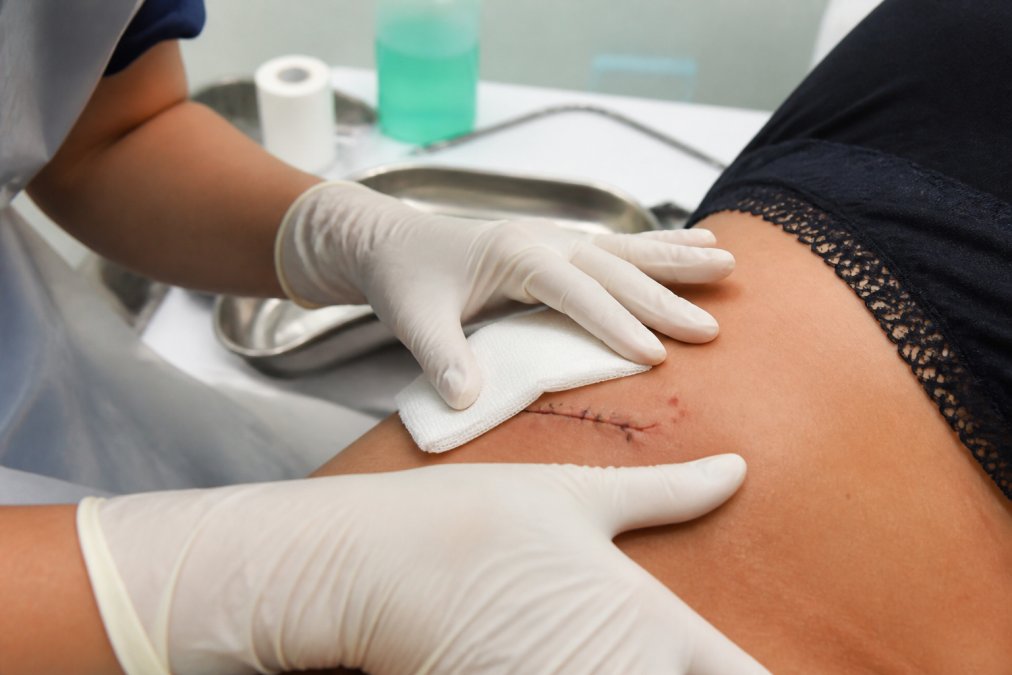
Scarring depends on closure technique and your skin’s healing tendency. A well-closed wound using fine stitches and proper technique fades significantly over 3-6 months. Most scars become barely noticeable within a year. Poorer closure or aggressive wound care can leave more visible scarring, which is why technique matters.
Avoid picking at the wound, applying non-prescribed creams, or exposing it to direct sun while healing. These simple steps reduce scarring risk and speed recovery.
Scarring, Recurrence, and Long-Term Outcomes
Two concerns dominate patient thinking: Will there be a visible scar, and will the cyst come back?
Scarring outcomes depend on three factors: the surgeon’s technique, your skin type, and the wound’s location. A practitioner who uses layered closure with fine stitches minimises scarring. Younger skin and areas with good blood supply (face, neck) heal with less visible scarring than older skin or areas under tension (back, shoulder). Some people’s skin tends toward thicker or more visible scars regardless of technique, that’s partly genetic.
Private practitioners often invest more time in meticulous closure, which reduces scarring. That’s a real difference, especially if the cyst is on your face. NHS removals are functional and adequate but may not prioritise cosmetic refinement.
Recurrence is the real wildcard. If the entire cyst sac isn’t removed, the wall that produces the keratin, the cyst can reform. Recurrence rates vary: complete excision of the sac reduces recurrence to under 5%; incomplete removal or simple drainage can see recurrence in 20-40% of cases. This is worth asking about during your consultation. Does the practitioner remove the entire sac, or just drain it? The answer directly affects your long-term outcome.
If a cyst recurs after removal, you’ll face the decision again: wait for NHS removal or pay privately once more. Choosing a practitioner committed to complete excision reduces that risk significantly.
Private vs NHS: The Full Patient Journey
To understand whether private removal is worth the cost, it helps to see the two paths side by side.
NHS pathway:
You notice the cyst and decide it bothers you enough to act. You book a GP appointment (often a 1-2 week wait). Your GP examines it, confirms it’s benign, and refers you to dermatology. You join the waiting list, typically 12-26 weeks depending on your region. During that wait, you think about it regularly. When you finally see the dermatologist, they confirm removal is appropriate and schedule the procedure. Another wait, often 4-8 weeks. Finally, you have the removal under local anaesthetic at a hospital or clinic. Recovery is straightforward. You return for stitch removal. Total time from decision to completion: 6-12 months. Cost: free.
Private pathway:
You notice the cyst and decide it bothers you. You search for a private clinic and book a consultation, often available within days or weeks. You attend the appointment (face-to-face in Coventry or online anywhere in England if you choose a clinic like MMS Clinic). The practitioner examines the cyst, confirms diagnosis, discusses removal options, and can often treat you the same day or within a few weeks. You have the removal under local anaesthetic. Recovery is the same as NHS removal. You return for stitch removal. Total time from decision to completion: 2-4 weeks. Cost: varies, typically pricing is available on the website.

The private path is faster and more convenient. The NHS path is free but involves months of waiting. Neither is inherently "better", it depends on your priorities and circumstances.
For most people, the decision hinges on three questions: How much does the cyst bother you? How long are you willing to wait? And how much is speed and control worth to you?
Conclusion
Private cyst removal is worth the cost if you need it done quickly, want a refined cosmetic outcome, or value the convenience of a simplified consultation and treatment process. MMS Clinic offers GMC-registered doctor-led consultations with no NHS waiting list, secure online appointments available anywhere in England, and face-to-face minor surgery in Coventry under local anaesthetic. For straightforward sebaceous cyst removal, the speed and quality of care often justify the private investment. If cost is your priority and you can wait, NHS removal remains a viable option, though the wait can stretch 6-12 months. The choice is yours, but knowing the real differences between the two paths makes the decision clearer.
Frequently Asked Questions
How much does private cyst removal cost in the UK?
Private cyst removal costs vary depending on the cyst type, size, location, and clinic. Sebaceous cysts typically range from £495 for straightforward cases to £1,250 or more for complex removals. Spire Healthcare charges from £200 for a consultation plus a personalised treatment quote. Nuffield Health offers all-inclusive pricing but requires direct enquiry. MMS Clinic provides transparent pricing on its website and a free discovery call to discuss your specific case and costs upfront.
What are the main risks of private cyst removal surgery?
Risks include infection, scarring, bleeding, and recurrence if the cyst sac is not fully removed. Under local anaesthetic, risks are minimal when performed by a qualified surgeon in a sterile environment. Infection risk is low with proper aftercare. Scarring depends on the surgical technique and your skin type. Recurrence rates are higher with incomplete excision. A qualified specialist will discuss these risks during your consultation and explain how they minimise each one.
How long does cyst removal recovery take?
Most patients return to normal activities within 1-2 weeks after cyst removal under local anaesthetic. Initial healing takes 7-10 days, during which you'll need to keep the wound clean and dry. Sutures are typically removed at 7-10 days. Full cosmetic healing, including scar maturation, can take 3-6 months. During recovery, avoid strenuous exercise, heavy lifting, and swimming until your doctor clears you. Proper aftercare significantly reduces scarring and infection risk.
Is NHS cyst removal free, and how long is the waiting time?
The NHS covers cyst removal if it's medically necessary, such as when the cyst is infected, painful, or causing functional problems. However, purely cosmetic removal is not typically funded. NHS waiting times for non-urgent cyst removal commonly exceed 3-6 months, depending on your local NHS trust. Private removal can often be arranged within days or weeks, making it an option for those who cannot wait or prefer faster access to treatment.
Will my cyst come back after private removal?
Recurrence depends on whether the entire cyst sac was removed during surgery. Complete excision of the sac significantly reduces recurrence risk to under 5%. Incomplete removal or drainage alone (rather than full excision) has much higher recurrence rates. Some private clinics, such as The Online GP, offer a recurrence guarantee and will re-remove the cyst at no extra charge if it returns. Always ask your surgeon about their technique and recurrence rates before treatment.
This article was written using GrandRanker