
Table of Contents
- How Private Hair Loss Treatment Works
- Hair Loss Treatment Success Rates and What to Expect
- Cost of Private Hair Loss Treatment and Value for Money
- Hair Loss Treatment Recovery Time and Maintenance
Last Updated: August 24, 2026
How Private Hair Loss Treatment Works
Private hair loss treatment begins with a thorough medical assessment by a GMC-registered doctor who evaluates the type and extent of hair loss. The consultation identifies whether you have androgenetic alopecia (male pattern baldness), female pattern hair loss, or another condition, a diagnostic step crucial for treatment effectiveness.
Once diagnosed, private clinics offer prescription-based interventions. The most common are topical minoxidil and oral finasteride, which work through different mechanisms to stimulate follicle activity and slow hair thinning (medical guidelines). Minoxidil improves blood flow to hair follicles, while finasteride reduces the hormone responsible for androgenetic alopecia. Some providers also offer combination therapies tailored to your specific presentation.
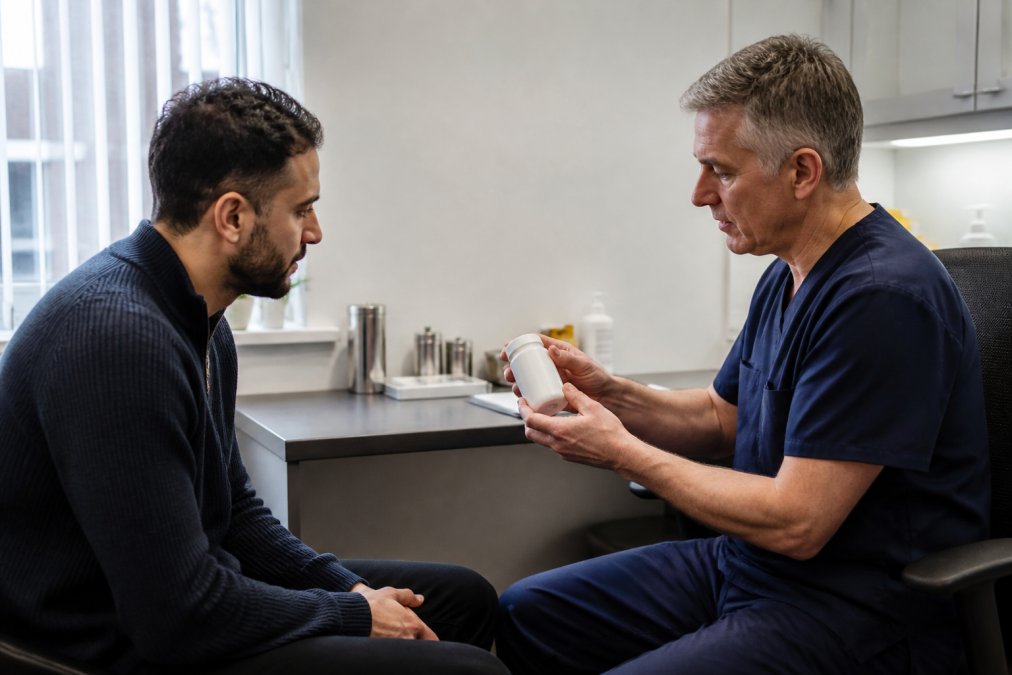
The advantage of private treatment is speed and continuity. Unlike NHS pathways with lengthy waits, private clinics typically offer consultations within days. You see the same doctor throughout treatment, ensuring consistent medical history and quick adjustments if needed.
Private hair loss treatment works best when started early. The sooner you address hair thinning, the better the potential for hair regrowth rather than simply halting further loss.
Hair Loss Treatment Success Rates and What to Expect
Prescription treatments show measurable results, though outcomes vary by individual response and treatment timing. Many patients experience stabilisation within three to six months, followed by visible regrowth over subsequent months (peer-reviewed research).
What matters most is realistic expectation-setting. These treatments work best for slowing loss and encouraging regrowth in existing follicles, not for regrowing completely bald areas. Response rates vary significantly between patients. A dermatological assessment early on helps predict your likely response based on your hair loss stage and type.
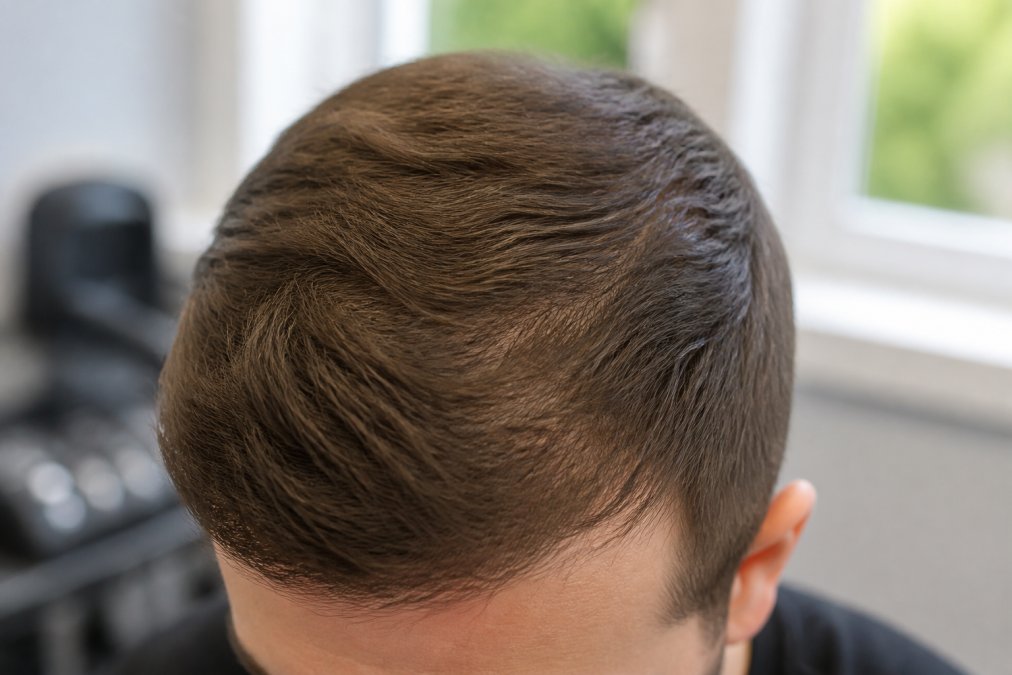
Maintenance therapy is essential. Most patients who stop treatment see hair loss resume within months, making hair loss treatment typically long-term (peer-reviewed research). Understanding this upfront prevents disappointment and helps you make an informed decision about ongoing treatment.
Hair loss treatment success depends on three factors: early intervention, consistent use, and realistic expectations about what regrowth looks like for your specific hair loss pattern.
Cost of Private Hair Loss Treatment and Value for Money
Private hair loss treatment pricing depends on medications prescribed, consultation frequency, and whether you choose online or face-to-face appointments. Check with individual clinics directly for current rates and package options.
When evaluating value for money, consider what’s included: initial dermatological assessment, ongoing consultations, prescription provision, and access to the same medical professional throughout treatment. MMS Clinic offers discreet medical assessment and prescription treatment for men’s hair loss with GMC-registered doctors available for both face-to-face and online consultations, meaning you access care without NHS waiting lists.
The real cost comparison is total investment over time versus the cost of untreated hair loss on your quality of life and confidence. Private treatment offers speed, continuity of care, and immediate access rather than months on an NHS list.
Hair Loss Treatment Recovery Time and Maintenance
Hair loss treatment requires no recovery time. Topical minoxidil and oral finasteride are maintenance therapies you apply or take regularly, not procedures with downtime. You continue your normal routine immediately.
What requires attention is consistency. Missing doses undermines effectiveness. Most patients maintain their regimen indefinitely to sustain results. Private treatment offers ongoing access to your doctor for adjustments, medication switches if side effects occur, or concerns without NHS referral pathways.
The maintenance phase typically begins after three to six months, once you’ve established whether treatment is working. At this point, many patients move to a stable routine with annual follow-up consultations or as needed.
Stopping hair loss treatment abruptly leads to resumption of hair loss within weeks to months. Plan for long-term commitment before starting, and discuss maintenance expectations with your doctor during your initial consultation.
Hair loss affects far more than appearance, it impacts confidence, social engagement, and quality of life. Getting proper medical assessment and prescription treatment matters. At MMS Clinic, GMC-registered doctors provide discreet, medically supervised hair loss consultations and prescription treatment, available face-to-face in Coventry or online anywhere in England. No NHS waiting list. Book a free discovery call to discuss your hair loss concerns with a qualified doctor and explore whether private treatment is right for you.
Frequently Asked Questions
Q: How long does it take to see results from private hair loss treatment?
A: Most people begin to notice visible improvement in hair density within 3 to 6 months of consistent treatment. Minoxidil typically shows earlier signs of response, while finasteride (a hormonal blocker) may take 6 to 12 months to demonstrate clear regrowth. Results depend on the severity of androgenetic alopecia, treatment adherence, and individual response rates. A dermatological assessment at a reputable hair loss clinic can help set realistic expectations for your specific situation.
Q: Are there side effects associated with private hair loss medications?
A: Topical minoxidil may cause scalp irritation, itching, or dryness in some users. Finasteride can affect sexual function in a small percentage of men, though this typically resolves after stopping the medication. Oral minoxidil may cause headaches, dizziness, or weight gain in rare cases. A qualified doctor will discuss these risks during your consultation and monitor your tolerance throughout treatment. Side effects are generally mild and manageable, but professional medical supervision ensures safe dosage and early detection of any concerns.
Q: What makes a private hair loss clinic reputable and trustworthy?
A: Look for clinics staffed by GMC-registered doctors with proven clinical experience. Reputable clinics offer a proper dermatological assessment before prescribing treatment, explain the prognosis clearly, and provide ongoing support through maintenance therapy. They should discuss both the benefits and side effects honestly, avoid overpromising results, and offer secure confidential consultations. Check that the clinic has transparent pricing, quick appointment availability, and a track record of patient care rather than sales-driven treatment recommendations.
This article was written using GrandRanker