Table of Contents
- Why Traditional Dieting Fails With PCOS
- Insulin Resistance and PCOS Weight Loss
- GLP-1 Medications for PCOS Weight Management
- Medical Weight Loss for PCOS: The Difference
- PCOS Weight Loss Medication Eligibility and Assessment
- Hormonal Benefits of Doctor-Supervised Weight Loss
- Building Long-Term Success After Weight Loss
- Conclusion
Last Updated: August 14, 2026
Why Traditional Dieting Fails With PCOS
Most people with PCOS approach weight management like everyone else: eat less, move more, track calories. The results disappoint. Initial weight loss plateaus, hunger becomes relentless, energy dips, and eventually they give up. This isn’t a willpower failure, it’s an approach failure.
PCOS isn’t simply calorie imbalance. It’s a metabolic and endocrine disorder where insulin regulation is fundamentally disrupted. Standard diet advice works for typical metabolic function. For PCOS, it feels like pushing against an invisible wall because your body actively resists the deficit you’re creating.
When insulin resistance drives your metabolism, conventional calorie restriction becomes exhausting and ineffective. Hunger hormones remain elevated even after adequate food intake. Fat storage preference shifts toward the abdomen and hips. This is why medical weight loss for PCOS takes a fundamentally different approach, it addresses underlying metabolic dysfunction rather than simply restricting calories.
The difference between struggling with standard dieting and succeeding with medical weight loss comes down to this: one ignores your biology, and one works with it.
PCOS weight management fails because standard calorie restriction ignores insulin resistance. Medical weight loss for PCOS addresses the hormonal and metabolic root cause, not just the calories.
Insulin Resistance and PCOS Weight Loss
Insulin resistance is the metabolic engine behind most PCOS cases. When your cells don’t respond properly to insulin, your pancreas compensates by producing more. This hyperinsulinemia creates a cascade of problems: high insulin levels directly promote fat storage (particularly abdominal), suppress fullness hormones leaving you hungry after adequate food, and disrupt androgen balance, worsening irregular periods.
Weight gain and hormonal imbalance reinforce each other in a vicious cycle. You cannot effectively manage one without addressing the other. A person with insulin resistance will struggle on a standard diet because their body is metabolically primed to store fat and resist weight loss.
Medical weight loss interventions work because they directly target insulin sensitivity. Certain medications improve how your cells respond to insulin, reducing the amount your body needs to produce. When insulin levels normalise, fat storage preference decreases, hunger signals become reliable, and weight loss becomes physiologically possible rather than a constant battle.
The practical outcome: a woman with PCOS using medical weight loss support often loses weight steadily with less constant hunger than she experienced on standard dieting, not because she’s eating dramatically less, but because her body’s metabolic resistance has been reduced.
Insulin resistance means your body actively resists weight loss. Medical interventions that improve insulin sensitivity remove that metabolic barrier, making weight loss sustainable rather than exhausting.
GLP-1 Medications for PCOS Weight Management
GLP-1 receptor agonists have emerged as one of the most effective pharmacological tools for PCOS weight management because they address multiple problems simultaneously. Originally developed for type 2 diabetes, their effects on appetite, metabolic rate, and glycaemic control make them especially valuable for PCOS.
GLP-1 medications for PCOS work by mimicking a natural hormone that regulates blood sugar and appetite. They slow gastric emptying, creating genuine satiety. They also increase insulin secretion in response to meals and improve glucose utilisation. For someone with PCOS and insulin resistance, this combination is powerful.
Semaglutide and liraglutide are the most commonly used GLP-1 medications. Users typically report that hunger becomes manageable for the first time, not artificially suppressed, but genuinely reduced. The constant mental effort of resisting cravings often diminishes substantially.
What makes GLP-1 medications particularly relevant for PCOS is that they improve metabolic health markers beyond weight. They reduce fasting insulin levels, improve menstrual regularity, and lower cardiovascular risk factors. Users often experience improvements in energy, clearer skin, and reduced hair loss, benefits stemming from improved hormonal balance rather than weight loss alone.
GLP-1 medications require proper medical supervision. Dosing must be individualised, side effects (primarily nausea in early weeks) need management, and long-term sustainability requires addressing underlying lifestyle factors. This is why medical weight loss for PCOS works better than self-directed use, a doctor can monitor response, adjust dosing, and ensure you’re building sustainable habits alongside pharmaceutical support.
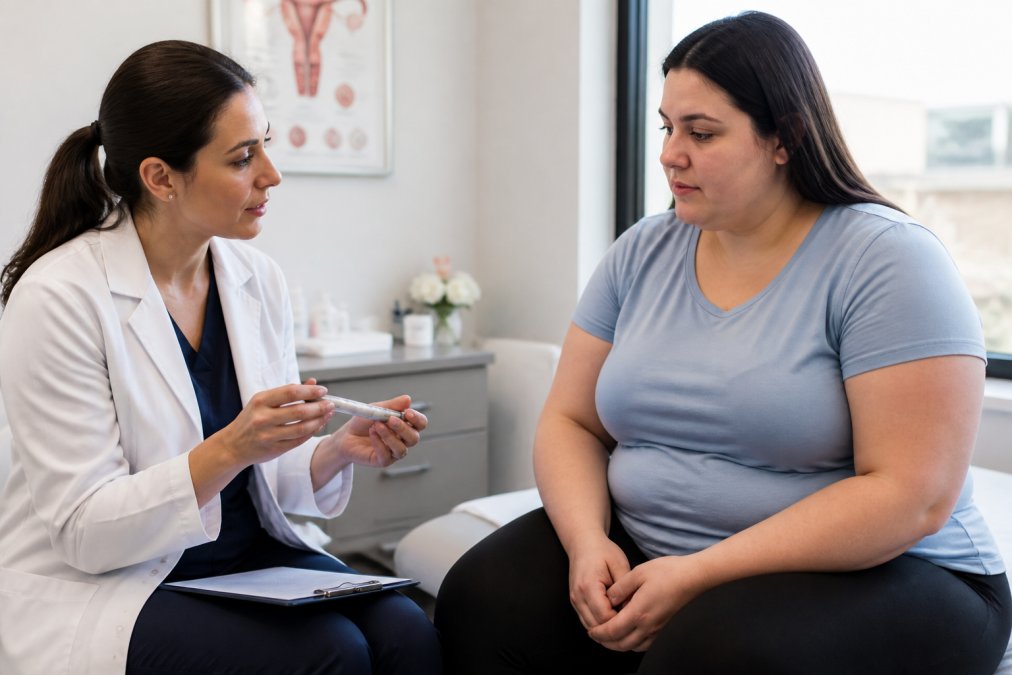
GLP-1 medications are powerful but require medical oversight. Starting too high a dose or using them without addressing nutrition and lifestyle often leads to side effects and poor long-term adherence. A doctor-supervised approach prevents these pitfalls.
Medical Weight Loss for PCOS: The Difference
Medical weight loss is individualised to your specific metabolic dysfunction, monitored continuously, and adjusted based on how your body actually responds rather than generic recommendations.
When you pursue medical weight loss for PCOS through a proper programme, assessment begins with a doctor evaluating your insulin levels, hormone profile, metabolic markers, and medical history. They identify whether insulin resistance is your primary driver, whether other metabolic complications exist, and which interventions are most likely to work for your specific presentation.
The medical approach combines pharmacotherapy, nutritional guidance tailored to insulin resistance, activity recommendations matched to your energy capacity, and ongoing monitoring. Progress is measured not just by weight loss, but by improvements in insulin sensitivity, menstrual regularity, cardiovascular risk markers, and how you feel daily.
A common mistake is treating medication as a substitute for lifestyle change. The most effective programmes use medication to make lifestyle change possible. When your appetite is regulated and energy improves, you’re far more capable of making sustainable food choices and moving your body.
At MMS Clinic, the medically supervised weight loss programme follows this evidence-based model. A GMC-registered doctor assesses your circumstances, discusses appropriate interventions, and provides ongoing support. This personalised, monitored approach differs fundamentally from following a generic diet plan or taking medication without medical oversight.

Anyone with PCOS who has struggled with standard dieting, has significant insulin resistance, or wants professional medical oversight of their weight management journey. Medical weight loss is particularly valuable if you’ve tried multiple diets without sustained results.
PCOS Weight Loss Medication Eligibility and Assessment
Not everyone with PCOS requires medication to lose weight, and not every medication is appropriate for every person. Eligibility depends on your specific metabolic profile, overall health, and how your body has responded to previous weight management attempts.
PCOS weight loss medication eligibility is determined through proper medical assessment. A doctor evaluates your body mass index, insulin levels, fasting glucose, blood pressure, and cardiovascular risk factors. They’ll also consider your medical history and whether you have type 2 diabetes, liver disease, or other conditions affecting medication safety.
Medication is most beneficial when insulin resistance is significant and standard lifestyle interventions alone have been insufficient. If you’ve tried structured dieting and consistent exercise without sustained results, medication becomes reasonable. If your insulin levels are markedly elevated, that’s another indicator that pharmacotherapy might help.
Metformin is often the first-line medication for PCOS because it improves insulin sensitivity directly and has a long safety track record. GLP-1 medications are increasingly used when weight loss is a primary goal and metformin alone hasn’t produced adequate results.
A proper medical assessment takes time. It’s not a quick consultation where you’re handed a prescription. A thorough evaluation explores your weight history, what you’ve tried, current eating patterns, activity level, sleep quality, and stress, all factors influencing PCOS and weight management. This comprehensive approach is what makes medical weight loss effective.
Hormonal Benefits of Doctor-Supervised Weight Loss
Weight loss in PCOS does more than reduce your scale number. It directly improves hormonal balance and reproductive function in ways standard dieting often doesn’t achieve at the same rate.
A 5% weight loss threshold often marks the point where significant hormonal improvements begin. Many women with PCOS experience more regular menstrual cycles at this level. Androgen levels decrease, reducing excess facial and body hair, improving skin clarity, and increasing scalp hair density. Ovulatory function can improve, which matters significantly if fertility is a concern.
Doctor-supervised weight loss accelerates these hormonal improvements because medical intervention addresses both weight loss itself and the underlying metabolic dysfunction driving hormonal imbalance. When on a GLP-1 medication, fasting insulin levels often drop before substantial weight loss occurs. This improvement in insulin sensitivity itself begins normalising androgen production and menstrual function.
Cardiovascular benefits are equally important. PCOS carries elevated risk for hypertension, dyslipidaemia, and atherosclerosis. Medical supervision ensures you’re monitoring blood pressure, cholesterol, and glucose regularly. A doctor can adjust your programme if these markers aren’t improving as expected.
Fertility outcomes improve significantly with medically supervised weight loss in PCOS. Restoration of regular ovulation often occurs, and egg quality may improve as metabolic health improves. For women trying to conceive, this combination creates conditions far more favourable for pregnancy than weight loss alone.
Building Long-Term Success After Weight Loss
The weight loss phase is actually the easier part. Maintaining weight loss long-term, particularly with PCOS, requires different strategies and ongoing support.
Many people lose weight successfully, then regain it within months because they haven’t built sustainable habits or addressed underlying behaviours. Medical weight loss programmes including a maintenance phase are significantly more effective at preventing regain.
Long-term success depends on understanding your personal hunger and satiety cues. If you’ve been on a GLP-1 medication, you’ll need to learn how to maintain appropriate eating patterns when you eventually reduce or discontinue it. This isn’t about willpower, it’s about building genuine habits and understanding your body’s signals.
Nutritional patterns matter more than specific diets. Successful maintenance typically involves understanding which foods keep you satisfied, which trigger overeating, and how to structure meals for stable blood sugar. For PCOS, this often means prioritising protein and fibre while managing refined carbohydrates, not because they’re "forbidden," but because they produce better metabolic outcomes for your body.
Physical activity becomes increasingly important for maintenance. During weight loss, calorie deficit creates progress even with modest activity. During maintenance, activity preserves muscle mass, supports metabolic health, and provides hormonal and psychological benefits making weight maintenance sustainable.
Support systems matter significantly. Some people maintain weight loss through periodic doctor check-ins. Others benefit from ongoing community support or coaching. Understanding what keeps you accountable is crucial.
PCOS is a chronic condition. Weight management isn’t something you "complete", it’s something you manage ongoing. Medical supervision during maintenance is valuable. A doctor can identify early regain signs and adjust your approach before small gains become significant. They can also monitor whether hormonal markers remain improved and whether additional support is needed.
Weight loss with PCOS is genuinely difficult when working against insulin resistance and hormonal imbalance alone. Medical weight loss works because it addresses the metabolic dysfunction driving your struggle, not just calories. A doctor-supervised programme provides assessment, medication, monitoring, and personalised guidance making sustained weight loss achievable.
At MMS Clinic, the medically supervised weight loss programme combines proper medical assessment with ongoing support from GMC-registered doctors. Whether you’re in Coventry or anywhere else in England, you can access this care through face-to-face appointments or secure online consultations. The programme is designed for people who’ve struggled with standard approaches and need a genuinely different strategy. Book a free discovery call to discuss whether medical weight loss is right for your PCOS.
Frequently Asked Questions
Why is weight loss particularly difficult with PCOS?
PCOS causes insulin resistance, which makes your body store more fat and makes weight loss slower even when you reduce calories. Additionally, hormonal imbalances affect appetite regulation and metabolism. Medical weight loss addresses these underlying mechanisms rather than treating PCOS like a simple calorie problem. A doctor-led approach identifies your specific barriers and adjusts treatment accordingly, which is why medical intervention often succeeds where standard dieting fails.
How do GLP-1 medications assist with PCOS symptoms?
GLP-1 medications for PCOS work by improving insulin sensitivity, reducing appetite, and slowing digestion. This helps stabilise blood sugar levels, which is critical because hyperinsulinemia drives many PCOS symptoms including irregular periods, excess androgen production, and weight gain. By addressing insulin resistance directly, GLP-1 medications can improve ovulatory function and reduce hormonal imbalance alongside weight loss. Your doctor will assess whether this option suits your individual health profile.
What is the 5% weight loss threshold and why does it matter for PCOS?
Research shows that losing just 5% of body weight can significantly improve PCOS symptoms including menstrual regularity, fertility outcomes, and hormonal balance. This threshold is important because it's achievable and delivers real health benefits without requiring extreme restriction. Medical weight loss programmes are designed to help you reach and sustain this milestone through a combination of medication, nutrition guidance, and ongoing monitoring rather than relying solely on willpower.
Is medical weight loss treatment available through the NHS for PCOS?
NHS access to weight loss medications for PCOS varies by region and individual circumstances. Many people find private medical weight loss offers faster access, more personalised assessment, and continuity of care with the same doctor throughout treatment. A private consultation allows a doctor to evaluate your specific hormonal profile, medical history, and eligibility for medications like GLP-1 agonists without lengthy waiting lists. Speak to your GP about available options in your area, or arrange a consultation with a private weight loss clinic to explore personalised treatment.
This article was written using GrandRanker