Table of Contents
- Step 1: Understand What a Private Minor Surgery Clinic in Coventry Can Treat
- Step 2: Check Whether You Meet the Eligibility Criteria
- Step 3: Know Your Skin Lesion Removal Coventry Options and What Each Involves
- Step 4: Understand Private Mole Removal Coventry, From Consultation to Excision
- Step 5: Get Clear on Minor Surgery Coventry Cost and Payment Options
- Step 6: Choose a Dermatologist Coventry Private Patients Can Trust
- Step 7: Book Your Appointment at MMS Clinic in Coventry
- Common Mistakes to Avoid When Choosing Private Minor Surgery in Coventry
Last Updated: July 30, 2026
Choosing a private minor surgery clinic Coventry patients can trust is not a decision to take lightly. Many people book based on little more than a Google search and a vague price promise. This guide walks you through every step, from understanding what minor surgery can treat to what post-operative recovery actually looks like, so you arrive at your appointment informed and confident.
The term "private minor surgery" covers a broad spectrum of outpatient procedures, each with different eligibility criteria, recovery timescales, and clinical requirements. The sections below give you a clear, honest picture of each.
Step 1: Understand What a Private Minor Surgery Clinic in Coventry Can Treat
A private minor surgery clinic is a regulated outpatient facility where GMC-registered doctors perform surgical procedures under local anaesthetic, without the need for a general anaesthetic or an overnight hospital stay.
Skin Lesion Removal: Moles, Skin Tags, Warts and More
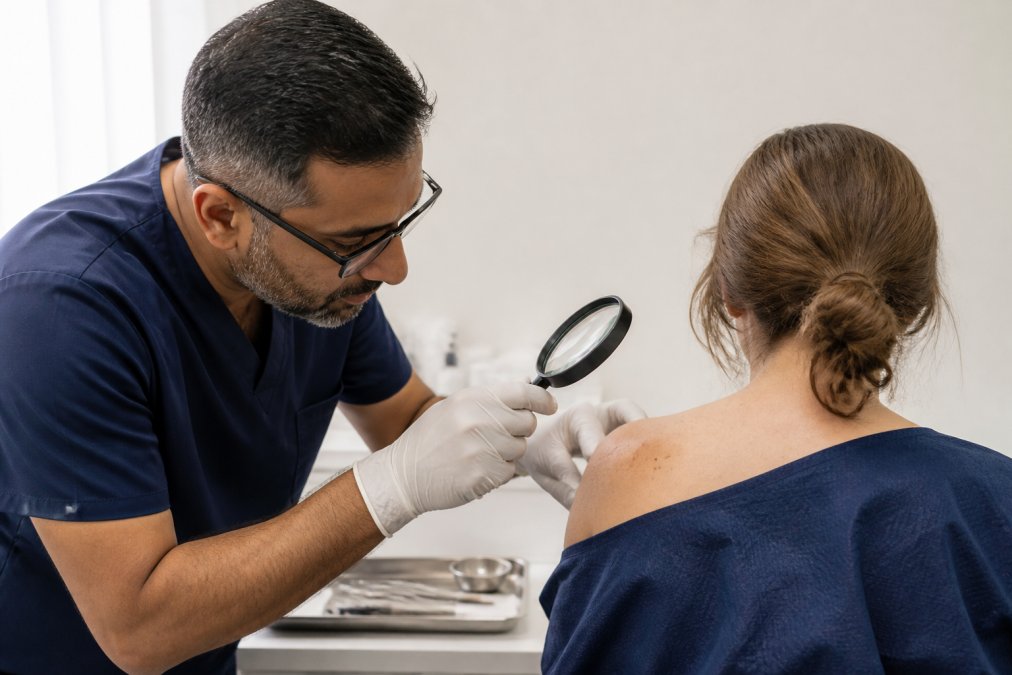
Skin lesion removal covers non-cancerous growths that cause discomfort, cosmetic concern, or diagnostic uncertainty. Common presentations include skin tags, viral warts, seborrhoeic keratoses, and moles that have changed in appearance. Surgical removal is typically performed under local anaesthetic in a single outpatient appointment.
Before any lesion is removed, a doctor-led assessment is essential to confirm the growth is benign and rule out any features that warrant dermatology referral. Skipping this step is a clinical risk.
Cyst and Lipoma Removal Under Local Anaesthetic
Sebaceous cysts, epidermoid cysts, and lipomas are among the most common reasons patients seek private minor surgery in Coventry. NHS waiting lists for these procedures can stretch considerably, particularly when classified as non-urgent. Privately, removal is typically performed in a single session once the doctor confirms the lesion is suitable for excision.
Lipomas vary significantly in size and depth. Larger or deeper lipomas may require a more involved excision and longer recovery. A thorough consultation is the only way to assess this accurately.
If a cyst has been infected recently, most clinicians will wait until the inflammation has fully resolved before performing excision. Attempting removal during an active infection increases the risk of incomplete removal and scarring.
Ingrown Toenail Treatment and Other Outpatient Procedures
Ingrown toenail treatment is one of the most consistently underserved areas in NHS primary care. Patients often endure months of pain and repeated infections before accessing definitive treatment. A private minor surgery clinic can offer partial or total nail avulsion under local anaesthetic, with a clear recovery plan from the outset.
Other outpatient procedures commonly available include ganglion cyst removal, minor trauma repair, and joint injections for musculoskeletal conditions such as frozen shoulder, tennis elbow, and plantar fasciitis.
Step 2: Check Whether You Meet the Eligibility Criteria
Not every patient is immediately suitable for minor surgery, and a reputable clinic will tell you this upfront rather than booking you in regardless.
Who Is Suitable for Doctor-Led Minor Surgery?
Most adults in good general health are suitable for doctor-led minor surgery under local anaesthetic. Eligibility is assessed during your consultation and considers the nature of the lesion, its size and location, your medical history, and any medications you are taking. Anticoagulant therapy requires careful management around surgical procedures, and your doctor will advise you specifically.
Patients with diabetes, immunosuppression, or a history of keloid scarring are not automatically excluded, but these factors will influence the clinical approach and healing advice.
When a Referral or Further Diagnostics May Be Needed First
A doctor-led consultation will identify features suggesting a lesion needs further investigation before removal. These include rapid growth, irregular borders, ulceration, bleeding, or any characteristic raising concern about malignancy. In these cases, the appropriate pathway is referral for diagnostics, not immediate excision.
According to NICE guidance on skin lesion assessment, clinicians should use dermoscopy and structured assessment criteria to evaluate pigmented lesions before deciding on management. A private clinic offering immediate removal without proper assessment is one to avoid.
Step 3: Know Your Skin Lesion Removal Coventry Options and What Each Involves
Skin lesion removal Coventry patients enquire about most frequently falls into three broad categories, each suited to different lesion types.
| Procedure | Lesion Type | Method | Typical Recovery |
|---|---|---|---|
| Shave excision | Skin tags, raised moles | Shallow removal, no sutures | 5-10 days |
| Elliptical excision | Cysts, lipomas, flat moles | Full thickness removal, sutured | 10-14 days |
| Cauterisation / cryotherapy | Warts, seborrhoeic keratoses | Heat or cold destruction | 7-14 days |
| Nail avulsion | Ingrown toenails | Partial or total nail removal | 2-4 weeks |
The choice of method depends on the lesion type, depth, and location, as well as whether a histology sample is required. For any mole removal, sending the excised tissue for histological analysis is considered best practice. Not every clinic does this automatically, so ask before you book.
A common mistake is choosing a clinic based on the cheapest price without checking whether histology is included. The procedure cost and pathology cost are sometimes quoted separately.
Never book a mole removal with a provider who does not offer histological analysis of the excised tissue. Without pathology, there is no way to confirm the lesion was entirely benign.
Step 4: Understand Private Mole Removal Coventry, From Consultation to Excision
Private mole removal Coventry patients seek most often follows a clear two-stage process: a consultation to assess the mole, followed by the excision appointment if the mole is confirmed suitable for removal.
What Happens During a Mole Excision Appointment
The excision is performed under local anaesthetic, which numbs the area before the procedure begins. Most patients report feeling pressure rather than pain. The doctor will use an elliptical excision technique, removing a margin of healthy tissue around the lesion to ensure complete removal. The wound is then closed with sutures and a sterile dressing applied.
The appointment typically takes 20 to 45 minutes depending on the size and location of the mole. You will be able to leave immediately afterwards and, in most cases, return to desk-based work the same day.
Post-Operative Recovery: What to Expect After Mole or Lesion Removal
For sutured excisions, keep the wound site clean and dry for the first 48 hours. After that, gentle cleaning with saline or clean water is recommended. Sutures are typically removed at 7 days for facial wounds and 10-14 days for wounds on the body or limbs. Strenuous exercise and swimming should be avoided until sutures are out and the wound has fully closed.
Scarring is an honest reality of any excision procedure. The scar will be red and raised initially, then flatten and fade over 12-18 months. Sun protection over the scar site significantly improves the cosmetic outcome. Patients with a history of keloid or hypertrophic scarring should discuss this with their doctor before proceeding.
If you notice increasing redness, swelling, discharge, or warmth around the wound after the first 48 hours, contact the clinic promptly, as these may indicate infection requiring treatment.
Step 5: Get Clear on Minor Surgery Coventry Cost and Payment Options
Minor surgery Coventry cost depends on the procedure, lesion size, whether histology is required, and the clinic’s fee structure. For current pricing at MMS Clinic, visit the clinic’s pricing page directly. Transparent pricing is a basic expectation of any reputable private clinic.
Insurance Coverage and Payment Plans at MMS Clinic
Some private health insurance policies cover minor surgical procedures, particularly where there is a clinical indication rather than a purely cosmetic reason for removal. Check your policy before your appointment, as insurers typically require pre-authorisation.
According to guidance on private medical insurance coverage for surgical procedures, the scope of cover varies significantly between policies and insurers, so confirm directly with your provider what documentation the clinic needs to supply.
For patients paying directly, establish upfront whether the quoted fee is all-inclusive, or whether consultation, excision, histology, and follow-up are billed separately. A clinic providing a clear, itemised fee schedule before treatment respects your ability to make an informed decision.
Always ask for a written breakdown of costs before any procedure. A single quoted figure that does not specify whether histology and follow-up are included can lead to unexpected additional charges.
Step 6: Choose a Dermatologist Coventry Private Patients Can Trust
The term "dermatologist Coventry private" is used loosely in search results. Not every private skin clinic is staffed by a consultant dermatologist.
Why GMC Registration and Doctor-Led Care Matter
GMC registration is the baseline requirement for any doctor practising in the United Kingdom. The General Medical Council’s register of licensed practitioners is publicly searchable, and patients are entitled to verify their doctor’s registration status before any consultation or procedure. A GMC-registered doctor has met the standards set by the UK’s independent medical regulator and is subject to ongoing revalidation.
Doctor-led care means that a qualified medical practitioner, not a nurse or aesthetician, is responsible for your assessment, the decision to treat, and the procedure itself. This matters particularly for mole assessment, where clinical judgement about whether a lesion requires further investigation is a medical decision.
MMS Clinic operates on a doctor-led model with GMC-registered GPs performing all consultations and procedures. Appointments are not rushed, and patients are not passed between multiple clinicians without continuity.
CQC Regulation and Safety Protocols You Should Expect
Any private clinic providing regulated activities in England must be registered with the Care Quality Commission. CQC registration means the clinic has demonstrated compliance with fundamental standards of safety, effectiveness, and patient care. Patients can check a clinic’s CQC status and inspection reports through the public register.
Safety protocols for minor surgery should include pre-procedure consent processes, sterile field maintenance, appropriate post-operative instructions, and a clear pathway for managing complications. These are the minimum standard for any regulated provider.
Step 7: Book Your Appointment at MMS Clinic in Coventry
Booking is straightforward. MMS Clinic offers both face-to-face appointments at the Coventry clinic and secure online consultations for patients across England. There is no NHS waiting list to navigate, and appointments are available without unnecessary delays.
Clinic Location, Contact Details and What to Bring
MMS Clinic is based in Coventry and serves patients across the West Midlands, including those from CV4, Spon End, Cheylesmore, and surrounding areas. For current contact details, appointment availability, and directions, visit the MMS Clinic website directly.
For your appointment, bring:
- A list of current medications, including any anticoagulants or immunosuppressants
- Details of any relevant medical history, particularly previous skin conditions or surgical complications
- Your private health insurance details if you intend to claim
- Any photographs of the lesion over time if you have them
Online consultations follow the same clinical process as face-to-face appointments. Your doctor will conduct a thorough assessment, discuss the treatment plan, and advise whether an in-person procedure appointment is appropriate.
Common Mistakes to Avoid When Choosing Private Minor Surgery in Coventry
The private minor surgery market in Coventry includes providers of varying quality. These are the mistakes that patients most commonly regret.
Booking without a proper consultation. Some clinics offer direct procedure booking without prior assessment. This is not safe practice for mole removal or any lesion where malignancy has not been excluded.
Choosing on price alone. The cheapest option rarely includes histology, follow-up, or a genuinely qualified clinician. The total cost of a poorly performed procedure almost always exceeds the upfront saving.
Ignoring CQC registration. An unregistered provider operating in England is doing so outside the regulatory framework. There is no independent oversight of their safety standards.
Assuming all private clinics are equivalent. The difference between a consultant-led clinic with full clinical governance and an aesthetics studio offering "skin procedures" is significant. Verify GMC registration, CQC status, and whether the clinician performing your procedure has appropriate training and indemnity.
Not asking about post-operative support. Ask explicitly what the process is if you have concerns after your procedure, and whether follow-up is included in the fee.
The Care Quality Commission’s guidance on choosing a private provider is a useful starting point for understanding what regulated providers are required to offer and how to check a clinic’s compliance status before you book.
Finding a private minor surgery clinic in Coventry that combines clinical credibility with genuine patient care is harder than it should be. MMS Clinic addresses this directly: GMC-registered doctors perform every consultation and procedure, appointments are never rushed, and both face-to-face and online options are available without the delays of an NHS waiting list. Book a free discovery call with MMS Clinic and get a clear, honest assessment of your options from a qualified doctor who will take the time to get it right.
Frequently Asked Questions
What types of minor surgery can be done privately in Coventry?
A private minor surgery clinic in Coventry can typically treat a wide range of non-cancerous conditions, including sebaceous cyst removal, lipoma excision, mole removal, skin tag and wart removal, ganglion cyst treatment, and ingrown toenail surgery. All procedures at MMS Clinic are performed under local anaesthetic by GMC-registered GPs, meaning you receive doctor-led care in a safe outpatient setting without an NHS waiting list.
How much does private minor surgery cost in Coventry?
The cost of minor surgery Coventry patients pay varies depending on the procedure type, complexity, and number of lesions treated. Rather than quoting a figure that may not reflect your specific situation, MMS Clinic publishes its current pricing on its website. Visiting the pricing page or booking a free discovery call is the best way to get a clear, personalised cost before committing to any treatment.
Do I need a GP referral for private minor surgery in Coventry?
No, one of the key advantages of choosing a private minor surgery clinic in Coventry is that you can self-refer directly. You do not need a letter from your NHS GP. MMS Clinic's doctor-led consultation process means the GMC-registered GP assessing you will carry out their own clinical evaluation, determine suitability, and plan your treatment during the same appointment where possible.
Are private minor surgery clinics in Coventry regulated?
Yes. Private clinics providing surgical procedures in England are regulated by the Care Quality Commission (CQC), the independent regulator of health and social care. You should always check that any private clinic you consider holds the appropriate CQC registration for the procedures it offers. GMC registration of the treating doctor is equally important, it confirms the practitioner meets the standards set by the General Medical Council.
What is the typical recovery time after minor surgery for skin lesion removal in Coventry?
Recovery after skin lesion removal Coventry patients undergo at a private clinic is generally straightforward for most non-cancerous procedures. Small excisions under local anaesthetic often heal within one to two weeks, though this varies by lesion size, location, and individual health. Your doctor will provide specific post-operative instructions, including wound care guidance, activity restrictions, and when to return for a follow-up or suture removal if needed.
How do I know if a private dermatologist or GP in Coventry is qualified to perform minor surgery?
When seeking a dermatologist Coventry private patients can trust, always confirm the practitioner holds full GMC registration and that the clinic is registered with the CQC for surgical activities. At MMS Clinic, all minor surgical procedures are carried out by GMC-registered doctors with significant clinical experience. You can verify any UK doctor's registration status free of charge on the GMC's public online register at gmcuk.org.
This article was written using GrandRanker