Table of Contents
- What Are Skin Tags and Why Do They Matter?
- NHS Skin Tag Removal Criteria: When the NHS Will Help
- Private Skin Tag Removal Cost UK: What You’ll Actually Pay
- Removal Methods: Cryotherapy, Excision, and Cauterisation
- Risks of DIY Skin Tag Removal: Why Home Treatment Carries Real Dangers
- Is Professional Removal Worth the Cost? The Value Proposition
- Private vs NHS: The Real Differences Beyond Cost
- Conclusion
Last Updated: August 18, 2026
What Are Skin Tags and Why Do They Matter?
Skin tags are small, benign growths that hang from the skin, usually appearing in areas where skin rubs against skin or clothing. Medically known as acrochordons, they’re completely harmless, but that doesn’t mean people want to keep them. At MMS Clinic, we see patients regularly who’ve decided that the psychological impact of a visible skin tag outweighs the decision to leave it alone. Whether it’s embarrassment in certain clothing, irritation from friction, or simply wanting them gone, the question becomes clear: is private skin tag removal worth the cost?
The answer isn’t straightforward. It depends on your circumstances, your tolerance for NHS waiting times, and what you’re willing to spend. Some people will find private removal a worthwhile investment in their quality of life. Others will decide the NHS route, if they qualify, makes more financial sense. This guide breaks down the real costs, the genuine risks of DIY attempts, and whether professional removal actually delivers value.
NHS Skin Tag Removal Criteria: When the NHS Will Help
The NHS will remove skin tags, but only under specific circumstances. They’re classified as a cosmetic concern in most cases, which means they’re not routinely funded. However, if a skin tag causes genuine medical problems, recurrent infection, bleeding from repeated irritation, or significant discomfort, your GP may refer you for removal on the NHS.
The catch is timing. Even when the NHS agrees to fund removal, you’re looking at waiting lists that can stretch months. A dermatology referral typically means a wait of 8-13 weeks for an initial consultation, then additional weeks before the actual procedure. For many people, this delay makes private treatment more appealing, even at a cost.
To access NHS removal, you’ll need to start with your GP. Document any medical issues the skin tag is causing, infection, bleeding, or pain from friction. Generic complaints about appearance won’t meet the threshold for NHS funding. Your GP will assess whether removal is clinically necessary or purely cosmetic. If they agree it’s medically justified, you’ll receive a referral to dermatology. If they classify it as cosmetic, you’ll be advised to pursue private treatment.
This gatekeeping is important to understand. The NHS doesn’t deny skin tag removal outright; it simply prioritises cases where there’s a clinical need. If your skin tag is causing you distress but no medical harm, you’re in the cosmetic category, which means private treatment is your realistic option.
Private Skin Tag Removal Cost UK: What You’ll Actually Pay
Private skin tag removal costs vary significantly depending on the clinic, the method used, and how many tags you’re having removed. Rather than quoting specific prices, which change regularly and depend on individual assessment, it’s essential to understand the cost structure.
Consultation and assessment fees
Most private clinics charge a separate consultation fee. This initial appointment involves examining the skin tag, assessing its size and location, discussing removal options, and determining which method is most appropriate. The consultation is where the dermatologist or doctor evaluates whether you’re a suitable candidate and explains aftercare requirements.
Some clinics bundle the consultation fee with the treatment cost if you proceed. Others charge it as a standalone appointment. Always ask upfront whether consultation costs are deducted from treatment fees or charged separately. This affects your total outlay significantly.
Removal method costs
The cost of actual removal depends on the method chosen. Cryotherapy (freezing), surgical excision, and cauterisation (heat-based removal) each have different price points. Larger skin tags or those in sensitive areas may require more sophisticated techniques, which costs more. The location matters too, skin tags on the eyelid or neck may require more precision and thus higher fees than those on the torso.
Multiple skin tags and follow-up care
If you have several skin tags, clinics typically offer discounted rates per additional tag. A single removal costs more per tag than removing three at once. Some clinics charge per tag; others charge a flat procedure fee regardless of quantity. Post-procedure care, including dressing changes, infection monitoring, or scar management, may incur additional costs depending on the clinic’s model.
Removal Methods: Cryotherapy, Excision, and Cauterisation
Understanding the three main removal methods helps you evaluate whether private treatment offers genuine value over waiting for NHS options or attempting home removal.
Cryotherapy involves freezing the skin tag with liquid nitrogen. The cold destroys the tissue, and the tag eventually falls off. It’s quick, typically painless beyond a brief cold sensation, and requires minimal aftercare. The downside: it’s less precise for larger tags, and recurrence rates can be higher than with other methods. Cryotherapy works best for small, uncomplicated skin tags in non-sensitive areas.
Surgical excision is the most definitive method. The doctor removes the entire skin tag using a scalpel, often under local anaesthetic. This method allows for histology, sending the removed tissue for analysis to confirm it’s benign, which provides absolute certainty. Excision leaves a small wound that requires proper wound care and may result in minor scarring depending on the tag’s size and location. Healing typically takes 1-2 weeks.
Cauterisation (also called hyfrecation) uses electrical current or heat to destroy the skin tag. It’s precise, controls bleeding effectively, and has lower recurrence rates than cryotherapy. The procedure takes minutes, though there’s a brief period of discomfort as the current passes through the tissue. Aftercare is straightforward, and healing is usually complete within 7-10 days.
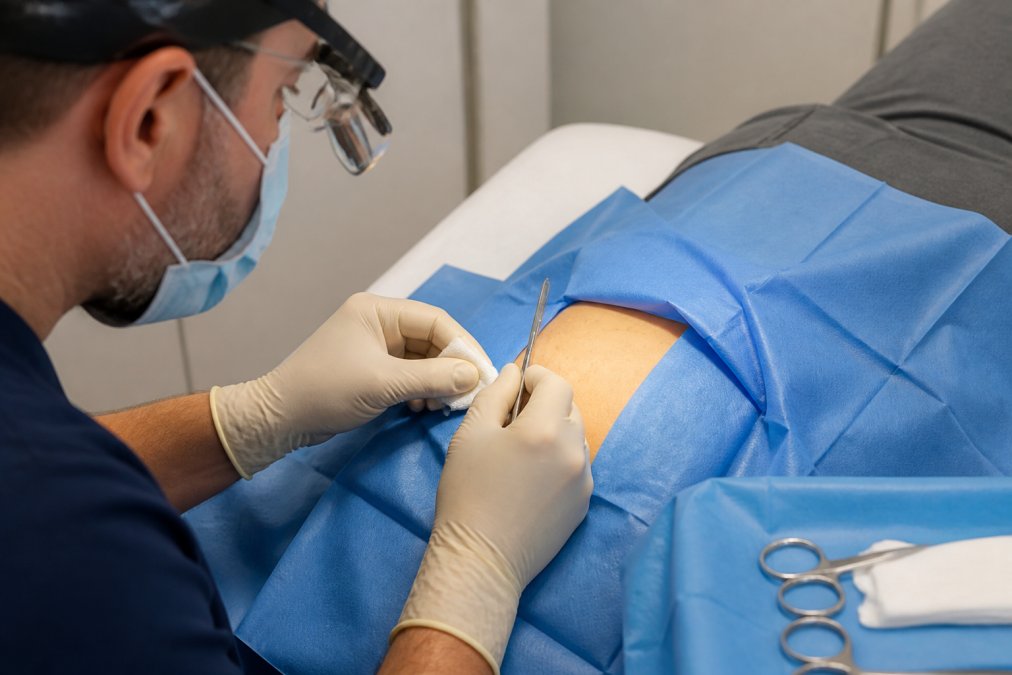
Each method has trade-offs. Cryotherapy is fastest and cheapest but less reliable. Excision is most thorough but leaves a small wound. Cauterisation balances precision with minimal scarring. Your choice depends on the skin tag’s size, location, your pain tolerance, and how much you want to spend.
Risks of DIY Skin Tag Removal: Why Home Treatment Carries Real Dangers
The internet is full of DIY skin tag removal advice: ligation (tying off the tag with thread), over-the-counter freezing kits, or cutting them off yourself. These approaches carry genuine risks that often outweigh any cost savings.
Infection is the most common complication of DIY removal. Skin tags have blood supply, and removing them improperly can cause bleeding and create an open wound. Without proper sterile technique, antiseptic wound care, or medical supervision, infection develops easily. An infected skin tag removal site requires antibiotics and potentially professional intervention to resolve.
Scarring occurs more frequently with DIY methods because home techniques lack precision. A doctor using cauterisation or excision under proper lighting and with appropriate instruments can minimise scarring. Attempting removal with scissors, thread, or over-the-counter products often leaves visible marks or keloid scars that are harder to treat than the original skin tag.
Bleeding and nerve damage are real risks if you cut too deeply. Skin tags sit in areas with nerve endings and small blood vessels. Accidental nerve damage causes persistent pain or numbness. Uncontrolled bleeding can be alarming and difficult to stop without proper haemostasis techniques.
Recurrence is higher with incomplete removal. If you don’t remove the entire lesion, including the base, the skin tag will grow back. Professional removal under magnification and proper lighting reduces this risk significantly.
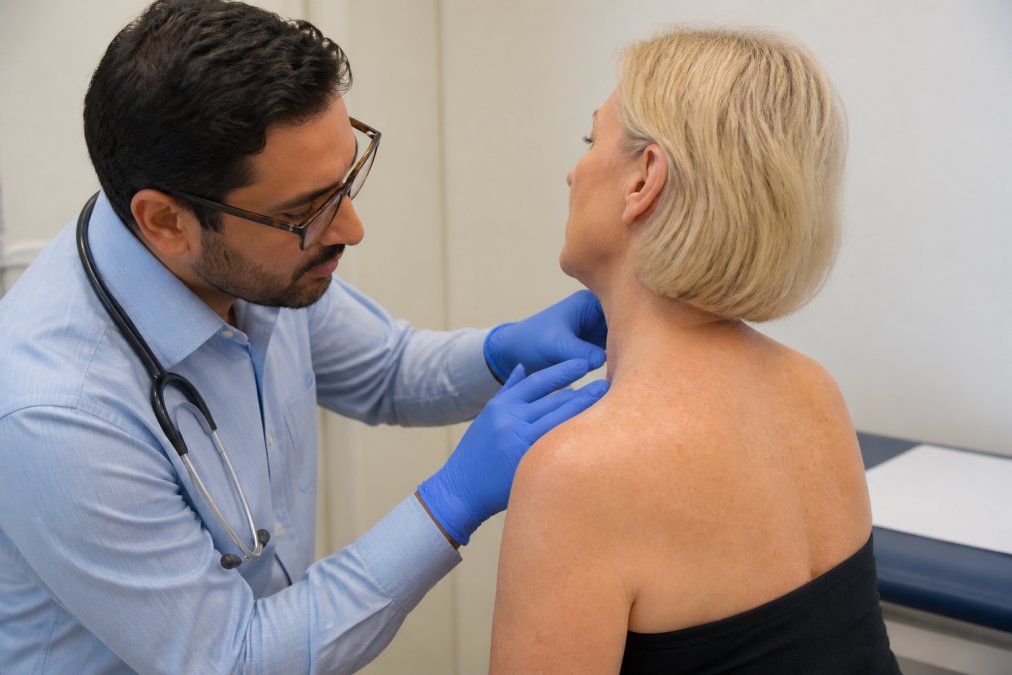
Attempting DIY removal with thread ligation or cutting risks infection, scarring, and incomplete removal requiring professional correction later. What saves money upfront often costs more in follow-up treatment.
The real cost of DIY removal isn’t just the upfront savings, it’s the risk of complications that require professional treatment anyway. Many patients who’ve attempted home removal end up paying for professional removal to correct complications, making the total cost higher than professional treatment from the start.
Is Professional Removal Worth the Cost? The Value Proposition
Whether private skin tag removal is worth the cost depends on four factors: speed, safety, aesthetic outcome, and long-term reliability.
Speed and convenience
NHS removal means months of waiting. Private clinics typically offer appointments within days or weeks. If the skin tag is affecting your quality of life, causing embarrassment, irritation, or psychological distress, the speed of private treatment has real value. You’re not waiting 12 weeks for a dermatology appointment; you’re addressing the issue on your timeline.
For working professionals or people with busy schedules, the convenience factor matters. Private clinics often offer flexible appointment times, online consultations, and minimal time off work required. Many procedures take 15-30 minutes total, including aftercare instructions.
Safety and sterility
Professional removal happens in a clinical environment with proper sterility protocols, appropriate anaesthesia, and trained staff. The risk of infection is minimal. If complications arise, unusual bleeding, signs of infection, or unexpected scarring, you have immediate access to the doctor who performed the procedure.
DIY removal or unregulated practitioners carry infection risks that can become serious. A simple skin tag removal that becomes infected can require antibiotics, wound drainage, or additional professional intervention. The cost of treating a complication often exceeds the original removal fee.
Aesthetic outcome and scarring
A dermatologist or trained doctor can remove skin tags with minimal visible scarring. They choose the method based on the tag’s characteristics, use proper lighting and magnification, and apply techniques that minimise wound size and healing time. The result is usually invisible or nearly invisible.
Home removal or inexperienced practitioners often leave visible marks. Keloid scarring, thickened, raised scars, can develop, particularly in people with darker skin tones or a history of keloid formation. Correcting poor aesthetic outcomes costs more than proper removal initially.
Recurrence and long-term results
Proper professional removal, particularly excision or cauterisation, has low recurrence rates when the entire lesion is removed. Cryotherapy has slightly higher recurrence (10-15% in some studies), but still better than DIY ligation or incomplete removal.
If a skin tag recurs after professional removal, most reputable clinics will retreat it at reduced cost or free of charge. This warranty on results provides peace of mind. DIY removal offers no such guarantee, and recurrence means starting over.
Professional removal costs money upfront but delivers speed, safety, proper scarring outcomes, and low recurrence rates. For most people, the quality-of-life improvement and reduced complication risk justify the investment.
Private vs NHS: The Real Differences Beyond Cost
Cost is obvious: private treatment costs money; NHS treatment is free if you qualify. But the differences run deeper.
Access and eligibility: The NHS requires a clinical reason (infection, bleeding, significant discomfort). If your skin tag is purely cosmetic, you don’t qualify. Private clinics remove skin tags regardless of reason. If you want it gone for appearance alone, private is your only option.
Waiting time: NHS dermatology waits are measured in months. Private clinics see you in days or weeks. For people with time-sensitive concerns, a holiday, a special event, or simply wanting to stop thinking about it, private removal eliminates the wait.
Choice of method: NHS dermatology may limit you to one or two removal methods based on clinic protocols and resource availability. Private clinics typically offer all three methods and can discuss which suits your specific situation best.
Continuity of care: With private treatment, you see the same doctor for consultation and procedure. You have their direct contact for aftercare questions. NHS referrals often mean seeing different professionals at different appointments, which can feel fragmented.
Aftercare support: Private clinics typically provide more detailed aftercare instructions, follow-up appointments, and direct access to the treating doctor if complications arise. NHS aftercare is often managed by your GP, which means another appointment and potential delays if issues emerge.
Psychological impact: For many people, the knowledge that they have an appointment scheduled, and will have the skin tag removed within days, reduces anxiety and improves quality of life immediately. The NHS wait can prolong distress.
| Aspect | NHS | Private |
|---|---|---|
| Cost | Free (if eligible) | Varies by clinic and method |
| Eligibility | Medical necessity only | Any reason |
| Waiting time | 8-13 weeks+ | Days to 2 weeks |
| Method choice | Limited | Full range available |
| Continuity | Multiple providers | Same doctor |
| Aftercare | GP-managed | Direct clinic access |
| Recurrence support | Standard NHS pathway | Often included |
Conclusion
Is private skin tag removal worth the cost? For most people, yes, but the answer depends on your specific circumstances.
If you qualify for NHS removal and can tolerate a 3-month wait, the free option makes financial sense. If your skin tag is causing medical problems (infection, bleeding, significant irritation), the NHS is a viable path.
If you’re paying out of pocket for cosmetic removal, the cost is real and worth considering carefully. But weigh that cost against the value of fast access, proper technique, low complication risk, and minimal scarring. DIY removal might save money initially, but complications often cost more in the end. Unregulated practitioners may charge less than established clinics but carry higher infection and scarring risks.
At MMS Clinic, we specialise in minor surgery including skin tag removal performed by GMC-registered GPs under local anaesthetic. We offer rapid appointments, proper sterile technique, and direct access to your treating doctor for aftercare. If you’re considering private removal, a free discovery call lets you discuss your specific situation, understand the options available, and get clarity on costs before committing. The investment in professional removal typically pays for itself through peace of mind, speed, and reliable results.
Frequently Asked Questions
How much does private skin tag removal cost in the UK?
Private skin tag removal costs vary depending on the clinic, removal method, and number of tags. Consultation fees typically range from £185 to £275, while removal procedures start from around £99 to £299 per tag depending on the method used. Cryotherapy and excision are the most common approaches. For exact pricing specific to your situation, contact a qualified private clinic directly, as costs depend on factors like tag size, location, and your skin type.
What are the main risks of DIY skin tag removal?
DIY removal carries significant risks including infection, excessive bleeding, scarring, and incomplete removal leading to regrowth. Without proper sterilisation, local anaesthetic, or medical training, you may damage surrounding skin or cause permanent cosmetic damage. Misidentification is also a risk, what appears to be a skin tag might be a different lesion requiring professional diagnosis. Professional removal under local anaesthetic minimises these dangers through proper technique, sterility, and post-procedure care.
Will the NHS remove my skin tag?
The NHS removes skin tags only when they meet strict clinical necessity criteria: they cause physical symptoms like bleeding, irritation, or friction; they become infected; or they interfere with daily function or clothing. Cosmetic concerns alone do not qualify for NHS treatment. If your GP considers your skin tags clinically necessary, referral to dermatology may be available, though waiting times can be several months. Private removal offers faster access if cosmetic concerns are your primary motivation.
Do skin tags grow back after professional removal?
Skin tags removed professionally have low recurrence rates when the entire lesion, including the base, is properly excised or destroyed. However, new skin tags can develop elsewhere on your body over time, as the tendency to form them is often hereditary or related to friction and skin characteristics. Long-term studies show that properly performed professional removal results in permanent removal of the treated tag itself, though preventative measures like reducing friction in problem areas may help limit new growth.
For most people deciding between NHS and private skin tag removal, the real question isn’t whether professional removal is worth the cost, it’s whether the speed, convenience, and certainty of private treatment align with your priorities and budget. Get started with a consultation to understand your options and make an informed decision.
This article was written using GrandRanker