Table of Contents
- What Is a Sebaceous Cyst and Why Remove It
- How the Removal Procedure Works
- Sebaceous Cyst Removal Recovery Time and Aftercare
- Sebaceous Cyst Removal Cost UK: Private vs NHS
- NHS Waiting Times for Cyst Removal and Why Private Is Faster
- Preparation Checklist Before Your Appointment
- Scarring Management and Visual Recovery Timeline
- Conclusion
Last Updated: August 9, 2026
What Is a Sebaceous Cyst and Why Remove It
A sebaceous cyst is a benign, non-cancerous skin lesion that forms when a blocked oil gland becomes trapped beneath the skin’s surface. The cyst fills with keratin and sebum, creating a firm, rounded lump that’s typically painless but can become uncomfortable if it grows large or becomes infected. Most sebaceous cysts are asymptomatic and pose no medical risk, but many people choose removal for cosmetic reasons or because the cyst catches on clothing, bleeds, or becomes inflamed.
The decision to remove a sebaceous cyst often comes down to practical concerns rather than medical necessity. A cyst on your face or neck affects how you feel about your appearance. A cyst on your back might catch on your bra strap or catch when you’re getting dressed. Some people live with cysts for years without issue; others find them bothersome enough to pursue removal. The good news is that removal is straightforward and can be done under local anaesthetic in a minor surgery setting.
At MMS Clinic in Coventry, sebaceous cyst removal is one of the most commonly requested minor procedures. The clinic’s GMC-registered GPs perform the procedure in-house, meaning you avoid NHS waiting lists and can often be seen within days rather than months. Understanding what the procedure involves, what recovery looks like, and what your options are between private and NHS care helps you make an informed decision.
Sebaceous cysts are sometimes confused with other benign lumps like lipomas (fatty tumours) or epidermoid cysts. All three can be removed privately under local anaesthetic, but accurate identification during your consultation ensures the right approach is used.
How the Removal Procedure Works
The removal procedure is a straightforward excision performed under local anaesthetic, typically taking 15-30 minutes depending on the cyst’s size and depth. Your GP will begin by cleaning the area and injecting local anaesthetic around the cyst to numb the skin completely. You’ll feel pressure and movement during the procedure, but no pain.
Once the area is numb, the surgeon makes a small incision directly over the cyst. The cyst is then carefully extracted, along with its capsule, to prevent recurrence. Removing the entire capsule is critical because if any cyst material is left behind, it can regrow. The incision is closed with dissolvable stitches or removable stitches, depending on the location and size of the wound.
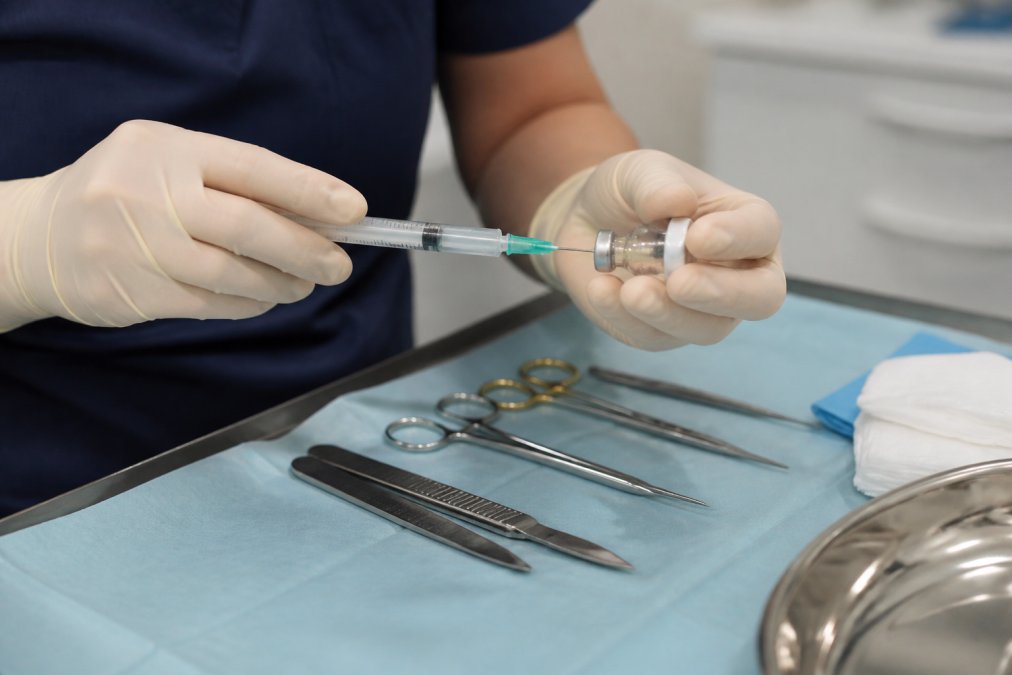
The procedure is performed in a sterile environment to prevent infection. Your GP will discuss the exact technique beforehand, as some cysts are deeper than others and may require a slightly larger incision. After removal, the cyst tissue is often sent for histology (pathology analysis) to confirm it’s benign, which is standard practice for any skin lesion removal.
Most patients describe the experience as straightforward. The local anaesthetic takes a few minutes to work fully, and you’ll be asked to remain still during the excision. Because you’re awake throughout, you can communicate with your surgeon if you’re uncomfortable. Many people are surprised at how quick the whole process is, from arrival to bandaging typically takes less than an hour.
The key to successful removal is complete extraction of the cyst capsule. Incomplete removal is the main reason cysts recur, which is why choosing an experienced surgeon matters.
Sebaceous Cyst Removal Recovery Time and Aftercare
Recovery from sebaceous cyst removal is quick, with most people returning to normal activities within a few days. The initial healing phase lasts 7-10 days, during which you’ll need to keep the wound clean and dry, change dressings as instructed, and avoid strenuous activity or heavy lifting.
Aftercare is straightforward and critical for preventing infection and minimising scarring. You’ll receive detailed instructions from your GP covering wound cleaning, when to shower or bathe, what activities to avoid, and when to have stitches removed if they’re not dissolvable. Most wounds are healed enough for normal washing within 48 hours, though you should avoid submerging the area in water for the first week.
Common sensations during recovery include mild discomfort, slight swelling, and minor bleeding when the dressing is first changed. These are normal. Significant pain, increasing redness, warmth, pus, or fever indicate infection and should be reported to your GP immediately. Pain can usually be managed with over-the-counter paracetamol or ibuprofen.
Stitch removal typically happens 7-14 days after the procedure, depending on the location and size of the incision. Facial wounds often heal faster and stitches can be removed earlier. Larger cysts on the body may require a longer healing window. Your GP will advise when to return for stitch removal and provide a clear timeline.
Full wound healing continues for several weeks after stitches are removed. The scar will be red and slightly raised initially, then gradually fade over 3-6 months as the skin remodels. Avoiding sun exposure to the healing wound and keeping the area moisturised helps optimise the final appearance.
Returning to heavy exercise or contact sports too early can reopen the wound or cause bleeding. Most GPs recommend waiting at least 2 weeks before resuming intense physical activity, depending on the cyst’s location.
Sebaceous Cyst Removal Cost UK: Private vs NHS
The decision between private and NHS removal often comes down to timing, cost, and convenience. On the NHS, sebaceous cyst removal is available but typically only if the cyst is causing problems, infection, bleeding, or significant discomfort, rather than for cosmetic reasons alone. Even when you meet the criteria, NHS waiting times can be substantial.
Private sebaceous cyst removal offers immediate access without waiting lists. Pricing depends on the cyst’s size, location, and complexity, as well as whether histology analysis is included. For current pricing and a personalised quote, MMS Clinic‘s website provides detailed information, and the team can discuss your specific situation during a free discovery call.
NHS removal is free at the point of care but involves waiting for a referral and appointment slot. Private removal requires upfront payment but eliminates the wait. Some people choose private care specifically to avoid NHS waiting times, which can stretch to several months depending on your local area and the urgency classification.
A key consideration is whether you have private health insurance. Some policies cover minor surgery, which could offset the cost of private treatment. It’s worth checking your policy details before booking a private procedure. For those without insurance, the private cost is a straightforward one-time expense with no hidden fees if you choose a transparent clinic.
Private removal is ideal if you want the procedure done within days rather than months, prefer not to navigate NHS referral processes, or want removal for cosmetic reasons rather than medical necessity.
NHS Waiting Times for Cyst Removal and Why Private Is Faster
NHS waiting times for sebaceous cyst removal vary significantly depending on your location and whether the cyst is classified as urgent. For routine cosmetic removal, NHS waiting times can range from 3-6 months or longer. If your cyst is infected, bleeding, or causing significant discomfort, it may be classified as semi-urgent, which can reduce waiting time to 4-8 weeks.
The NHS prioritises conditions affecting health and quality of life. A painless cyst that’s purely cosmetic sits lower on the priority list, meaning you may wait considerably longer. This is why many people choose private care, not because NHS care is inferior, but because the timeline doesn’t suit their needs.
Private clinics operate without NHS waiting lists. MMS Clinic in Coventry can often offer appointments within days of your initial consultation. This speed is possible because private clinics manage their own schedules and don’t have the volume constraints of NHS services. If you want the cyst removed quickly, private is the practical choice.
The trade-off is cost. NHS removal is free, while private involves payment. However, for many people, paying to avoid a 3-6 month wait is worth it. You also get continuity of care, you’ll see the same GP throughout, rather than being seen by whoever is available in the NHS system.
If you’re considering private removal in Coventry, MMS Clinic’s GMC-registered GPs specialise in minor surgery and can often fit you in within a week. The clinic offers both face-to-face appointments at the Coventry location and online consultations for initial assessment, making the process flexible and efficient.
Preparation Checklist Before Your Appointment
Preparing for your sebaceous cyst removal appointment ensures the procedure goes smoothly and reduces the risk of complications. A few simple steps beforehand make a meaningful difference.
Before Your Consultation:
- Gather any photos or notes about when the cyst appeared and how it’s changed over time
- List any medications you’re taking, particularly blood thinners like aspirin or warfarin
- Note any allergies, especially to local anaesthetics or adhesive plasters
- Avoid alcohol for 24 hours before the procedure, as it can thin your blood
- Wear clean, loose clothing to your appointment
- Avoid applying makeup, moisturiser, or sunscreen to the area if it’s on your face
Medical History Considerations:
If you have a history of keloid scarring (abnormally thick scars), infection-prone skin, or certain skin conditions, mention this during your consultation. Your GP can adjust the approach or provide additional aftercare guidance. Similarly, if you’re on blood-thinning medication, your GP needs to know, as this may affect bleeding during the procedure.
On the Day of Your Appointment:
- Eat a light meal beforehand, you don’t need to fast, but avoid a heavy meal immediately before
- Bring a list of current medications
- Allow extra time for parking and check-in
- Arrange for someone to drive you if you’re anxious, though most people are fine to drive themselves after a local anaesthetic procedure
- Wear clothing that allows easy access to the area being treated
After Your Appointment:
- Follow the GP’s aftercare instructions precisely, especially regarding wound cleaning and activity restrictions
- Keep dressings clean and dry
- Attend your stitch removal appointment as scheduled
- Contact the clinic if you develop signs of infection: increasing pain, redness, warmth, pus, or fever
Bring a notepad or open your phone’s notes app during your consultation. Writing down aftercare instructions ensures you remember everything, especially details about activity restrictions and when to return for stitch removal.
Scarring Management and Visual Recovery Timeline
Scarring is a natural part of wound healing, but the final appearance of a scar depends on several factors: the surgeon’s technique, the location of the cyst, your age, skin type, and how well you care for the wound during healing.
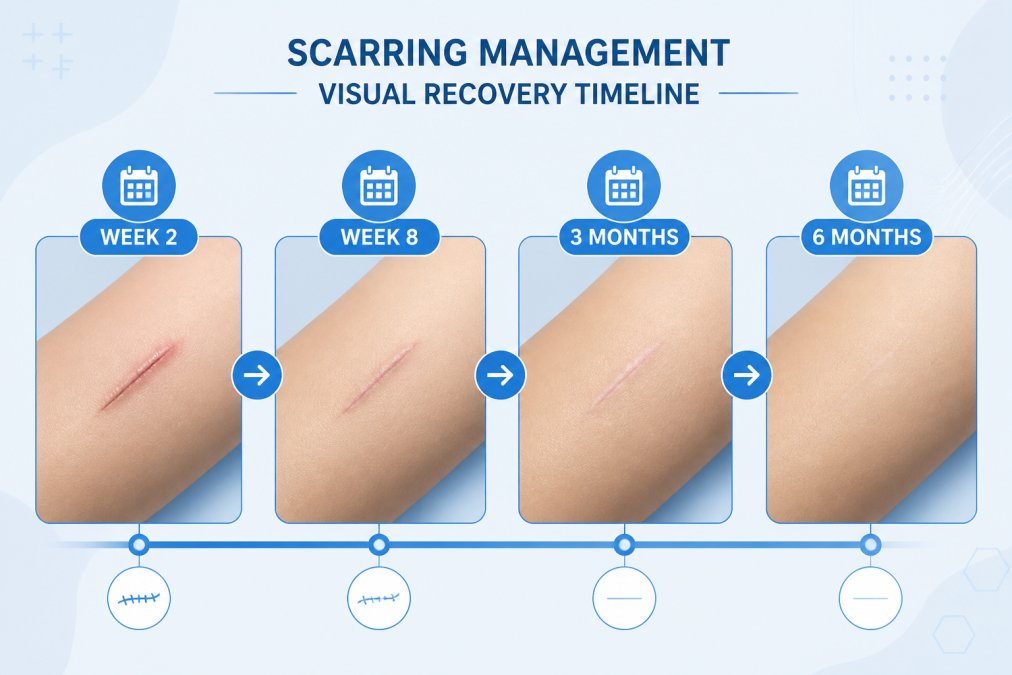
Week 1-2: The incision is fresh and red. Stitches are in place, and the area is swollen. This is normal. The scar at this stage looks more dramatic than it will eventually.
Week 3-4: Stitches are removed, and the wound is closed. The scar is still red and may be slightly raised. This is the most noticeable phase. Avoid sun exposure and keep the area moisturised.
Month 2-3: The scar begins to fade as collagen remodels beneath the skin. Redness diminishes, and the raised appearance flattens. Continued sun protection and moisturising help optimise healing.
Month 4-6: Most scars reach their final appearance by 6 months. The scar is typically pale and flat, blending well with surrounding skin. Some scars fade further over the next 6-12 months.
Scar Management Strategies:
Minimising scar visibility involves several evidence-based approaches. Sun protection is critical, UV exposure can darken scars and slow fading. Use SPF 30+ sunscreen on the healing wound for at least 6 months. Silicone gel sheets or ointments, available over the counter, can help flatten and fade scars by hydrating the tissue. Apply these starting 2-3 weeks after stitch removal, once the wound is fully closed.
Massage can also help. Once the wound is fully healed (typically 3-4 weeks after stitches are removed), gentle circular massage with a moisturiser can help soften scar tissue and improve flexibility. However, avoid massage if the area is still tender or inflamed.
For scars that remain noticeable after 6 months, additional treatments like silicone injections, laser therapy, or microdermabrasion are available privately. These are rarely necessary, most scars from minor surgery fade significantly on their own, but the option exists if you’re concerned.
The location of the cyst affects scarring. Facial scars are more visible but often heal better because facial skin has excellent blood supply. Scars on the back or chest may be larger but are usually hidden by clothing. Your GP can discuss scar expectations based on the specific location during your consultation.
The majority of scars from sebaceous cyst removal fade to barely noticeable within 6 months with proper aftercare. Sun protection and moisturising are the most effective interventions you can control.
Conclusion
Sebaceous cyst removal is a straightforward, low-risk procedure that can be completed under local anaesthetic in under an hour. Whether you choose private or NHS care depends on your timeline, budget, and personal circumstances. If you’re in Coventry or the surrounding area and want to avoid NHS waiting lists, MMS Clinic’s GMC-registered GPs can offer face-to-face appointments within days, with thorough aftercare guidance. You can book a free discovery call to discuss your cyst, explore your options, and understand the exact cost for your situation before committing to anything.
Frequently Asked Questions
How much does private sebaceous cyst removal cost in the UK?
The cost of private sebaceous cyst removal varies depending on the size, location and complexity of the cyst, as well as the clinic. MMS Clinic offers transparent pricing on its website, and you can request a quote during your initial consultation. Private removal typically costs less than a full course of NHS treatment when you factor in waiting times, and you can often have the procedure done within days rather than months.
What is the recovery time for sebaceous cyst removal?
Most patients return to light daily activities within a few days of minor surgery. The incision site will be tender for the first week, and you should avoid heavy lifting, strenuous exercise and swimming for 7-10 days. Stitches are usually removed after 7-14 days depending on the location. Full wound healing takes 2-4 weeks, though the scar continues to fade for several months. Your doctor will provide detailed aftercare instructions tailored to your specific procedure.
Will a GP remove a sebaceous cyst on the NHS?
Your NHS GP can refer you for sebaceous cyst removal, but NHS waiting times are often lengthy, ranging from several weeks to several months depending on your local area. If the cyst is causing discomfort, infection or cosmetic concern, private removal through a clinic like MMS Clinic offers same-day or next-day consultations and faster access to the procedure without NHS waiting lists.
Is sebaceous cyst removal painful?
The procedure is performed under local anaesthetic, so you should feel pressure and movement but not pain during the removal. You may experience some discomfort during the initial anaesthetic injection, but this passes quickly. After the procedure, mild soreness and tenderness around the incision site is normal for a few days and can be managed with over-the-counter pain relief if needed.
This article was written using GrandRanker